
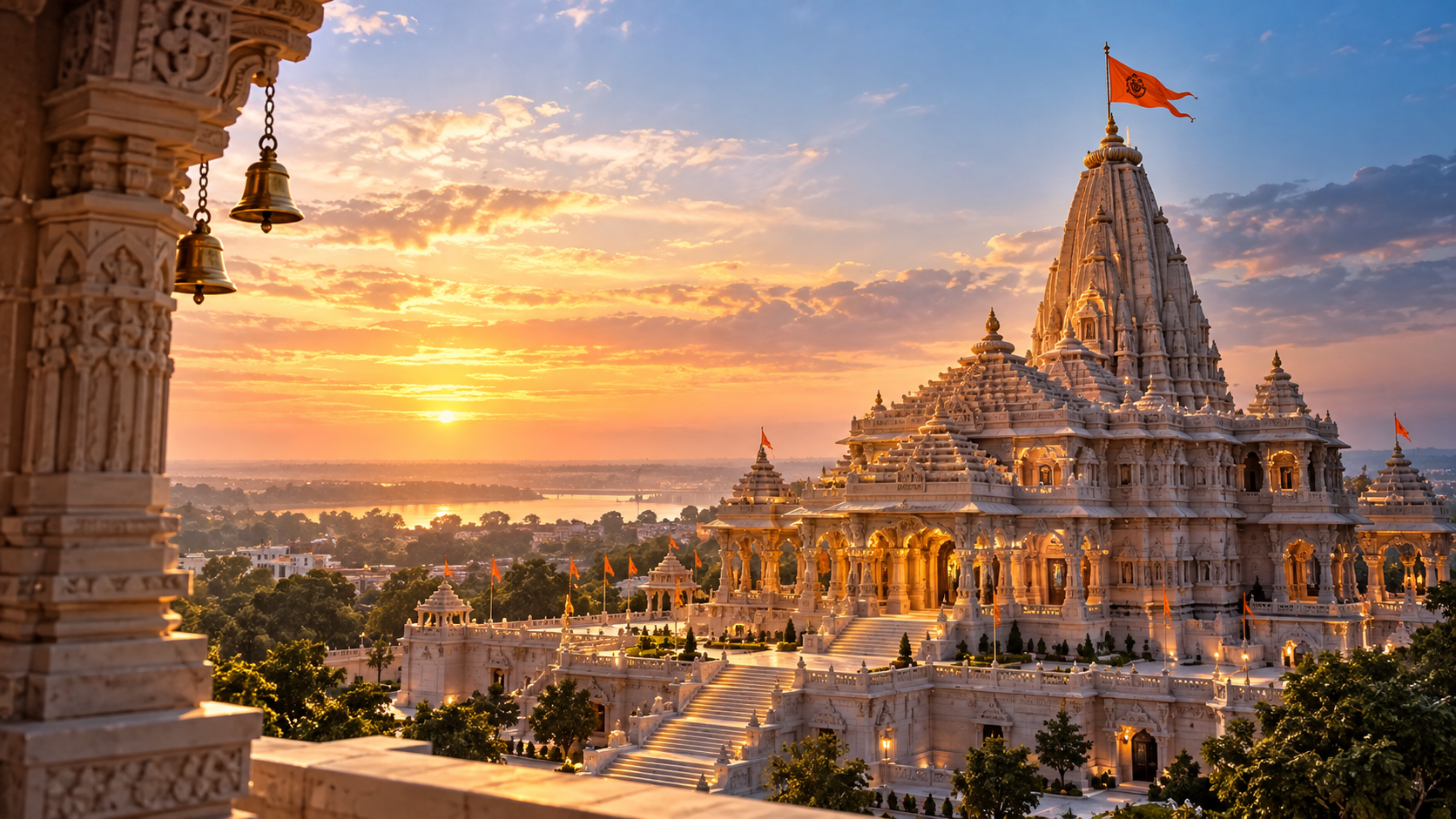
॥ He Shiv Shankar ॥
He Śiva śaṃkara, bhole śaṃkara
Dayā karo aba, Mahādeva
Meaning: O Shiva Shankar, innocent Shankar! Have mercy now, O Mahadeva!
Verse 1
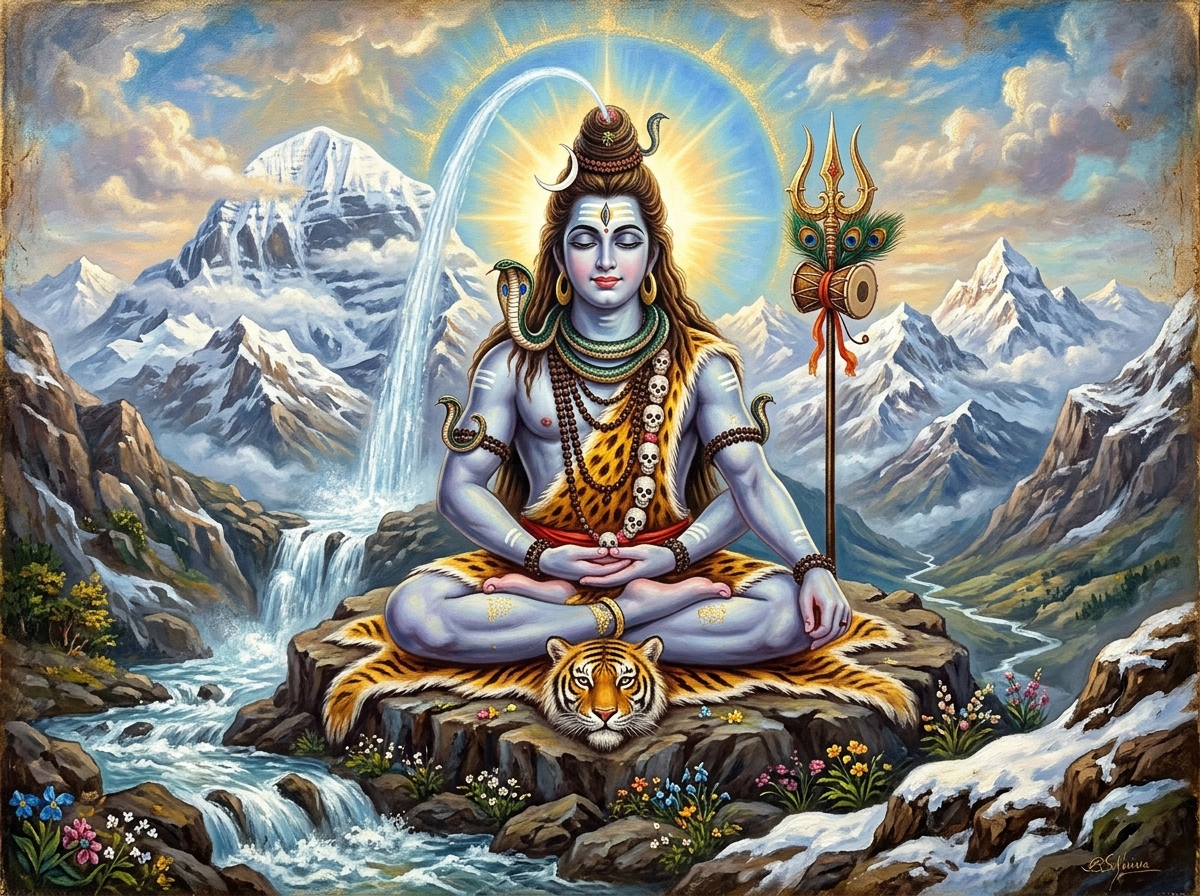
Jaṭādhārī, tripurārī
Nīlakaṇṭha, gaṃgādhārī
Bhasma lagāe, ḍamarū bajāe
Naṃdī ko apane saṃga lie
Meaning: Bearer of matted locks, destroyer of Tripura (the three demon cities), blue-throated Nilakantha, bearer of the sacred Ganga! Smeared with holy ash, sounding the Damaru drum, with Nandi (his bull) always by his side.
Verse 2
Kāśī meṃ terā, darbāra hai bhārī
Darśana dete ho, bhava se utārī
Mahākāla tuma, kāla ke svāmī
Merī naiyā pāra lagā do svāmī
Meaning: Your great court is in Kashi (Varanasi)! You give darshan and free souls from the ocean of worldly existence. You are Mahakala — lord of time itself! Please take my boat to the other shore, O Master!
Verse 3
Veda purāṇa terī mahimā gāte
Deva gandharvā tumheṃ śīśa navāte
Pārvatī saṃga meṃ nāca rahe ho
Kailāśa parvata para virāja rahe ho
Meaning: The Vedas and Puranas sing your glory! Gods and Gandharvas bow their heads to you. You dance with Parvati at your side, seated majestically on Mount Kailash.
Verse 4 (Concluding)
Maiṃ hūṃ pāpī, tū hai dayālu
Śaraṇa āyā hūṃ, kara mujhe nihālu
Eka binatī hai, pada-raja dīje
Janma-maraṇa se mukti dīje
Meaning: I am a sinner, but you are compassionate. I have come to your refuge — grant me your grace! I have one single petition: give me the dust of your feet! Grant me liberation from the cycle of birth and death!
The Spiritual Cry of This Bhajan
What makes this bhajan especially moving is its combination of awe and intimacy. The same breath that glorifies Shiva as Mahakala (the conqueror of time itself) also confesses personal unworthiness and begs for mercy.
This is the quality of true devotion: it does not pretend to be worthy of the divine. It brings its own poverty, its own brokenness, its own sins — and simply asks: Despite all this, please take me.
Lord Shiva, as Bholenath, responds to exactly this quality of prayer. The great devotees of Shiva — from Markandeya to Tulsidas — all approached with this mixture of awe and intimate personal longing.
When to Sing
- Monday mornings — as part of daily Shiva worship
- Maha Shivratri — the great night vigil
- Shravan Mondays — especially auspicious
- Before Shiva Abhishekam — to set the devotional mood
- During personal difficulty — the plea for liberation is timeless
Phala Shruti
Jo jan gāye bhakti se, bhole bābā ke gīta
Usakī sarva manorathnā, bhole pūrī karate
“Whoever sings the songs of innocent Baba Shiva with sincere devotion — their every heartfelt wish is fulfilled by the compassionate Bhole Shankar.”