
॥ Om Jai Shiv Shankar ॥
A devotional song in praise of Lord Shiva — sung with great devotion on Mondays and Maha Shivratri
Verse 1
Om jaya Śiva śaṃkara, om jaya Śiva śaṃkara
Bhole bābā śaṃkara, om jaya Śiva śaṃkara
Meaning: Victory, victory to Lord Shiva, the auspicious one! Victory to Shiva Shankar! O innocent, simple-hearted Baba Shankar — victory to you, Lord Shiva!
(The title “Bhole Baba” — the innocent father — reflects Shiva’s nature of being easily pleased by sincere, simple-hearted devotion, unlike other deities who require elaborate rituals)
Verse 2
Āpa ādi anādi, sarva śakti ke svāmī
Tribhuvana ke nātha ho, deva antaryāmī
Om jaya Śiva śaṃkara
Meaning: You are primordial and without beginning (anadi), Lord of all powers! You are the master of the three worlds — the divine inner knower (antaryami) who witnesses everything. Victory to you!
Verse 3
Bama bama bola rahe hain, saba Śiva ke bhakta
Śiva jī kī jaya, Śiva jī kī jaya
Tumasē hai juṛā merā mana, merā preman anurakta
Om jaya Śiva śaṃkara
Meaning: All Shiva’s devotees are chanting “Bam Bam!” (Bam Bam Bhole!). Victory to Shiva, victory to Shiva! My mind is connected to you, my love is devoted to you with complete absorption. Victory!
Verse 4
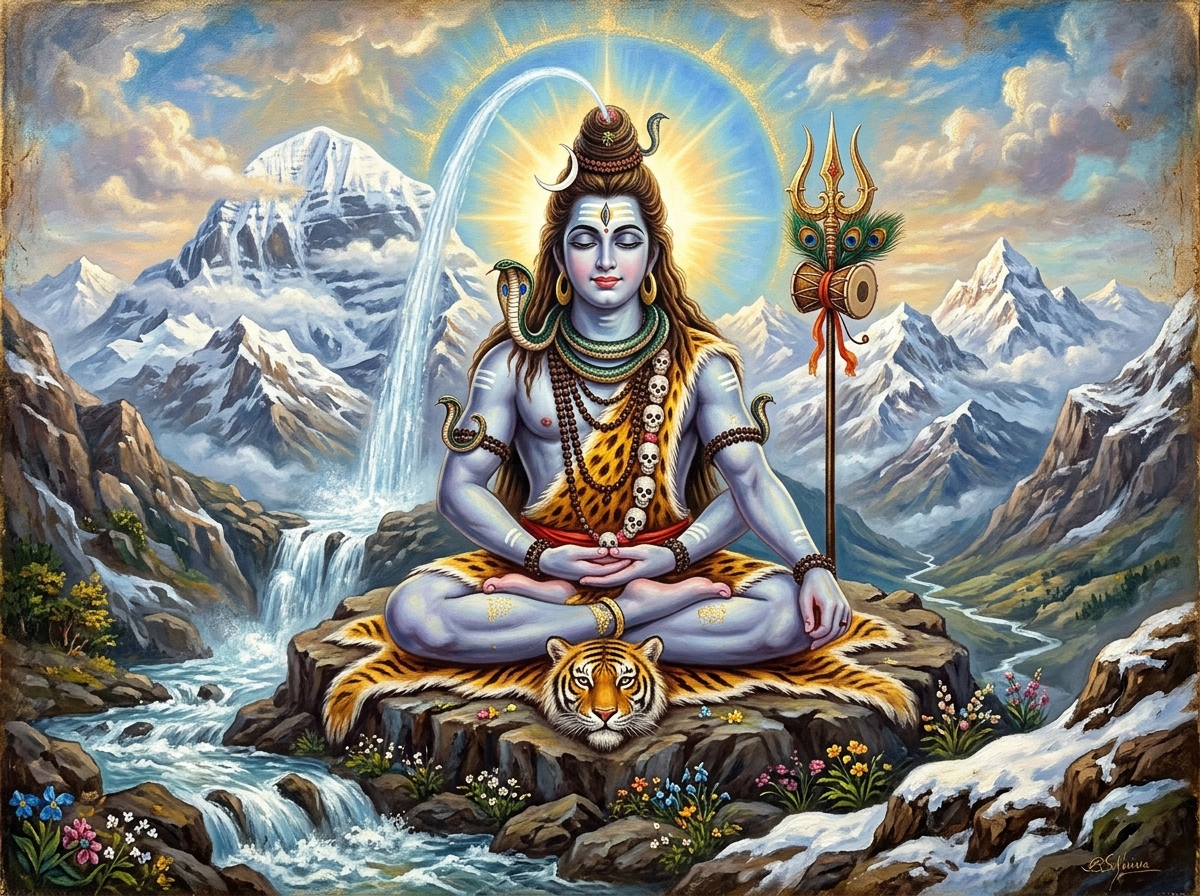
Nāgeśvara, Śiva Śambho, Umāpati Mahādeva
Saba devoṃ ke ārādhya, jagat pitā Mahādeva
Om jaya Śiva śaṃkara
Meaning: O Lord of serpents, Shiva, Shambhu, consort of Uma (Parvati), Mahadeva! O Mahadeva who is worshipped by all gods — father of the universe! Victory!
Verse 5
Kāśī meṃ vāsa terā, triśūla hai tumhārā
Ḍamarū kī āvāza se, sṛṣṭi ko jagāyā
Om jaya Śiva śaṃkara
Meaning: Your abode is in Kashi (Varanasi), the trident is yours! With the sound of your Damaru drum, you awakened the entire creation. Victory to you, Shiv Shankar!
Verse 6
Hara hara Mahādeva hara, bolo saba milakara
Bholenātha kī mahimā, jaga meṃ hai nirālī
Om jaya Śiva śaṃkara
Meaning: Chant together “Har Har Mahadev!” The glory of Bholenath (the innocent Lord) is truly unique in this world. Victory!
The Meaning of “Bholenath”
Lord Shiva is uniquely called Bholenath — the innocent, simple, uncomplicated Lord. This name captures something extraordinary about Shiva’s nature:
Unlike other deities who require elaborate rituals, specific offerings, and careful protocols, Shiva is said to be pleased by the simplest, most sincere act of devotion. Even a leaf of the bel tree (Vilva Patra), offered with a pure heart, is said to delight Shiva more than elaborate ceremonies performed mechanically.
This is why he is also called Ashutosh — one who is easily pleased. The most powerful gods in the cosmos — Brahma, Vishnu, and all the rest — perform lengthy austerities to please Shiva. Yet a humble devotee who simply chants “Har Har Mahadev” with sincere longing receives his grace immediately.
The Sacred Chant: “Bam Bam Bhole”
The chant “Bam Bam Bhole” or “Har Har Mahadev” is the traditional devotional exclamation of Shiva’s devotees. During the Kanwar Yatra — the annual pilgrimage when millions of devotees carry sacred Ganga water on foot to offer at Shiva temples — this chant fills the air day and night.
Bam (also spelled Bum) is said to be a compressed form of Bom Shankar or a sound that resonates with Shiva’s Damaru drum. When chanted rhythmically, it creates a vibration in the body that aligns with Lord Shiva’s cosmic energy.
When to Sing
- Monday (Somvar) — Shiva’s most sacred day; the full bhajan at morning and evening prayer
- Maha Shivratri — the great night of Shiva; all-night kirtan and bhajan
- Shravan Month — the entire month is dedicated to Shiva worship
- Pradosh Kaal — the 13th lunar day at twilight
- Kanwar Yatra — sung continuously during the pilgrimage
Phala Shruti
Śiva śaṃkara śiva śaṃkara — jo gaave bhakti bhāve
Bholenātha kā prasāda use sarvadā milte jāve
“Whoever sings ‘Shiv Shankar’ with sincere devotion shall always receive the grace of Bholenath — the innocent, loving Lord Shiva.”